
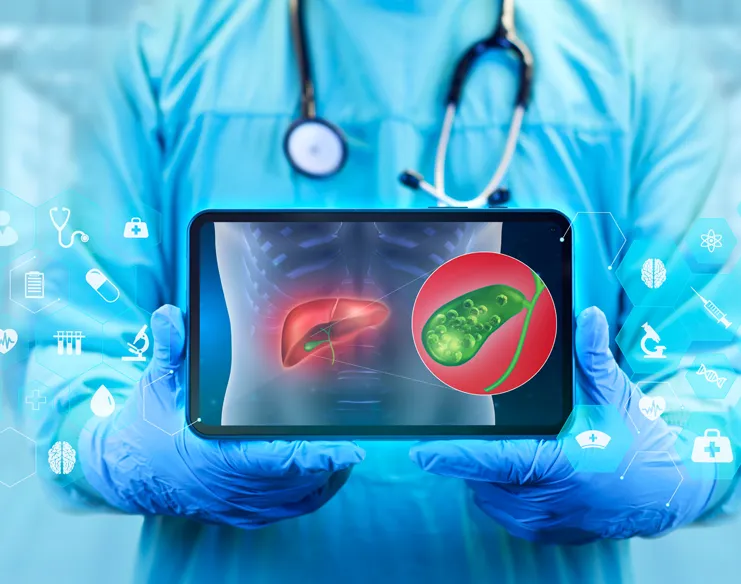
How Do Doctors Decide on the Best Treatment for Gallbladder Cancer?
Gallbladder cancer can come as an unexpected diagnosis, particularly when it is discovered after surgery for what was thought to be a non-cancerous gallbladder condition. For other patients, the diagnosis may follow scans and investigations for symptoms. Following a diagnosis, patients may have questions about what the next steps will involve.

How to Prepare for Your First Liver Doctor Appointment
Preparing for your first liver doctor appointment starts with gathering your medical records, a list of your medications and supplements, details about your symptoms and any questions you want to discuss. Having this information ready can make it easier to explain your concerns and give the doctor a clearer picture of your liver health.
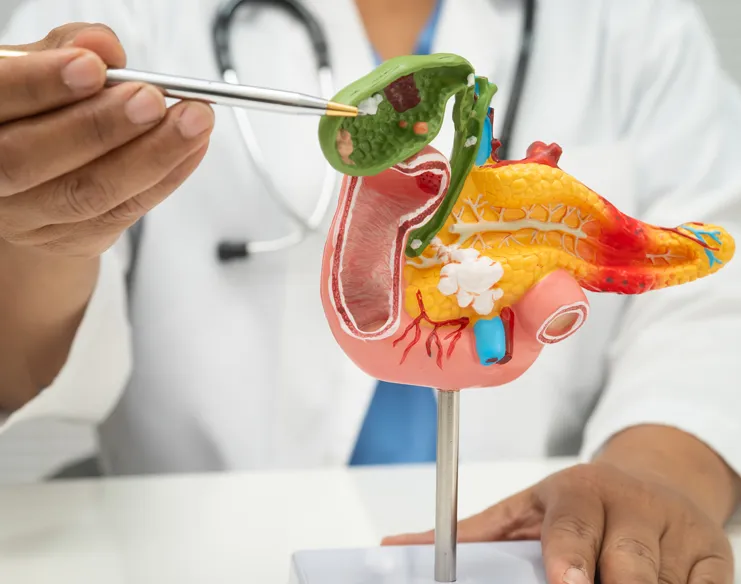
Questions to Ask Your Gallbladder Surgeon Before Surgery
Before gallbladder surgery, useful questions to ask your surgeon include why the operation is recommended, whether there are alternatives, which surgical approach is planned, what risks apply to you and what to expect during recovery.
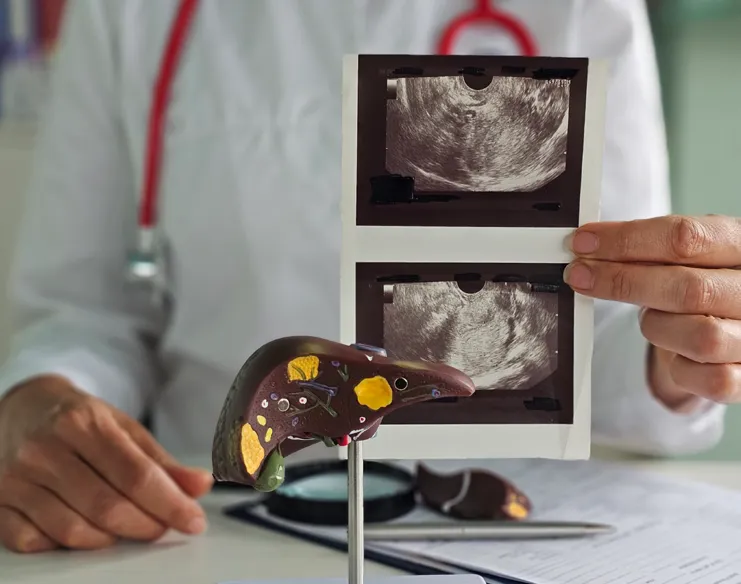
How Do Doctors Decide on Liver Cancer Treatment?
Liver cancer can be treated in several ways, but the most suitable approach may not be immediately clear from the diagnosis alone. The options considered may differ between patients, as treatment decisions take into account both the cancer and the condition of the liver.
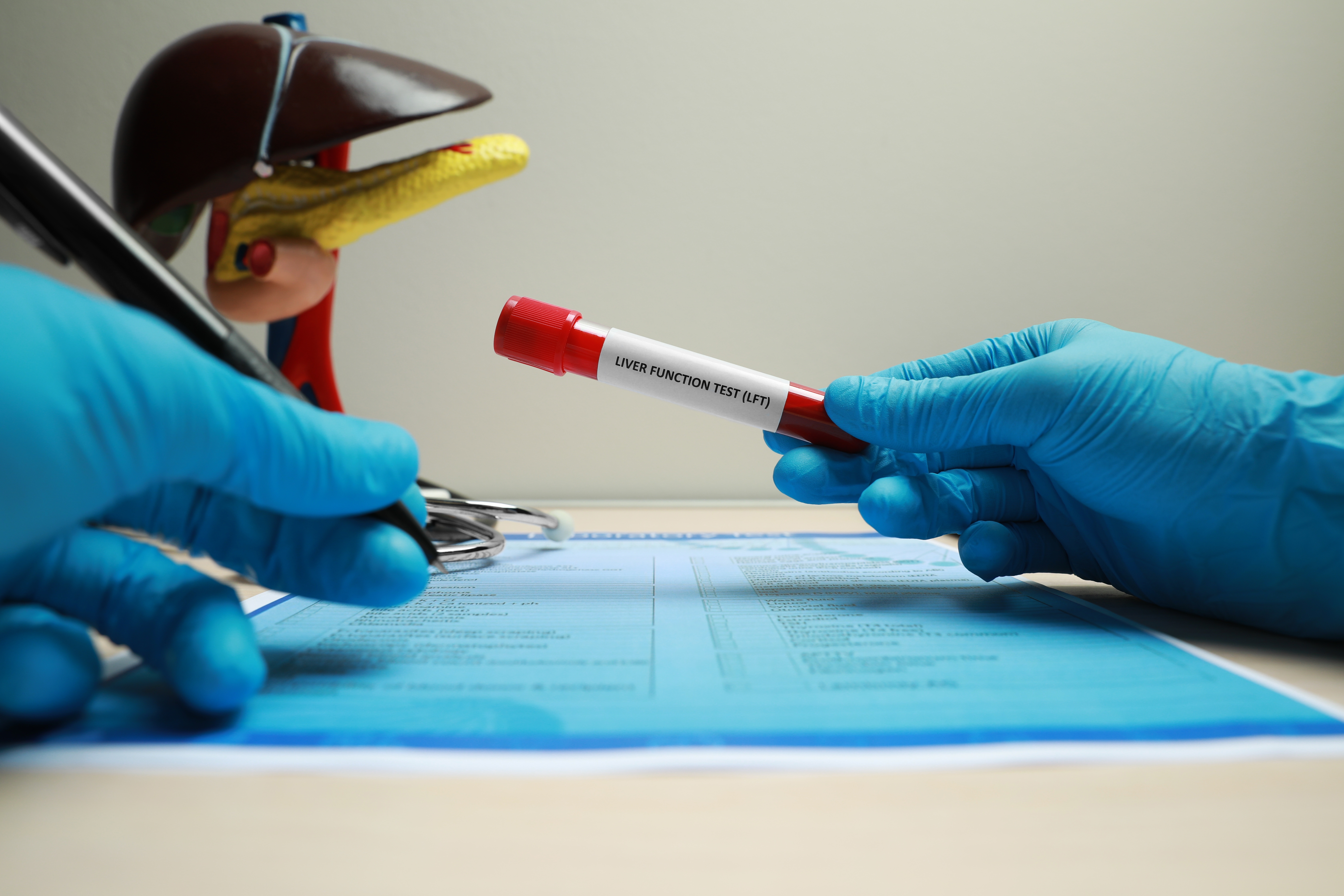
What Happens During a Liver Health Assessment?
Understand what happens during a liver health assessment, including your consultation, physical examination, blood tests and imaging studies to help diagnose liver conditions and guide treatment.

What Is Liver Resection Surgery and When Is It Recommended?
Understand what liver resection surgery involves, when it may be recommended and the surgical approaches available. Learn how to prepare for surgery and what to expect during recovery and follow-up appointments.

Gallstones During Pregnancy: What Every Expectant Mother Should Know
Upper abdominal pain during pregnancy is not always just morning sickness or indigestion. Learn why gallstones can develop during pregnancy, the symptoms to watch for, when to seek medical care and the treatment options available.

Gallbladder Pain: When Should You See a Doctor?
Gallbladder pain may be more than a temporary digestive issue. Learn how to recognise concerning symptoms, when to seek medical attention and what to expect during your doctor's visit.

Understanding the Gallbladder Cancer Stages
Gallbladder cancer is rare and often difficult to detect early. Learn about its stages, warning signs, treatment options, and prognosis, and understand how timely diagnosis can improve outcomes and guide effective treatment decisions.
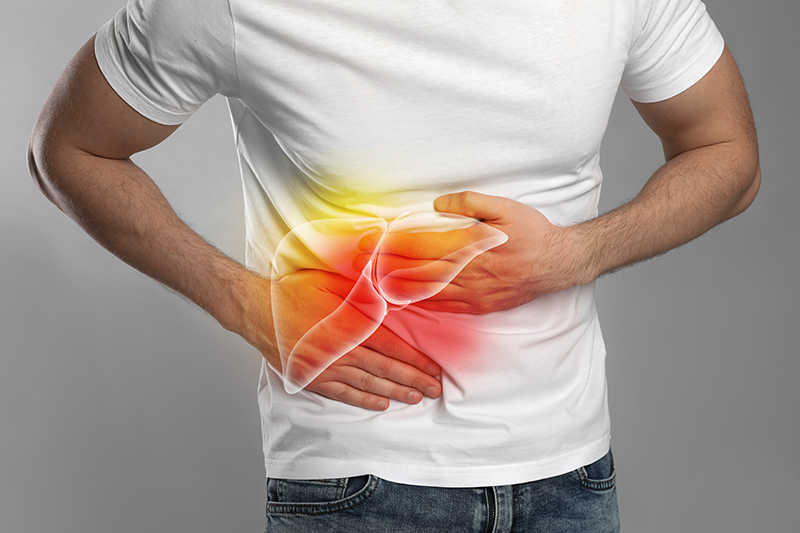
When Should You See a Liver Doctor for Routine Check-Ups?
Many liver conditions develop silently without obvious symptoms. Learn when routine liver check-ups are recommended, what to expect during screenings, and how early monitoring can help protect your long-term liver health.
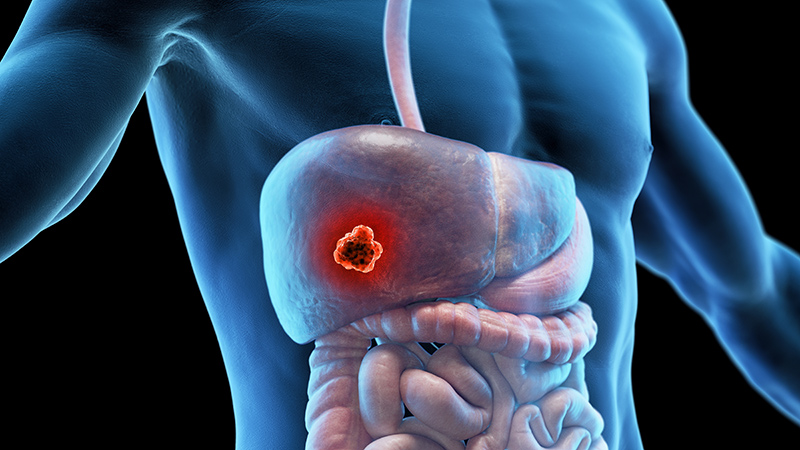
What Are the Early Signs of Liver Cancer and When Should I See a Specialist?
Unexplained weight loss, fatigue, bloating, or jaundice may be early signs of liver cancer. Learn when to seek medical attention, who is most at risk, and why timely liver screening and specialist evaluation matter

How Serious Is Liver Cancer at Different Stages?
Learn how serious each stage can be, common risk factors, survival outlooks, and why early diagnosis may improve treatment outcomes. Discover why early diagnosis matters and when to seek specialist liver cancer care from an experienced liver surgeon.

When Should You See a Liver Specialist for Fatty Liver Disease?
Wondering whether you should see a liver specialist for fatty liver disease? Learn about common referral triggers, treatment approaches, and situations where further medical assessment may be recommended.
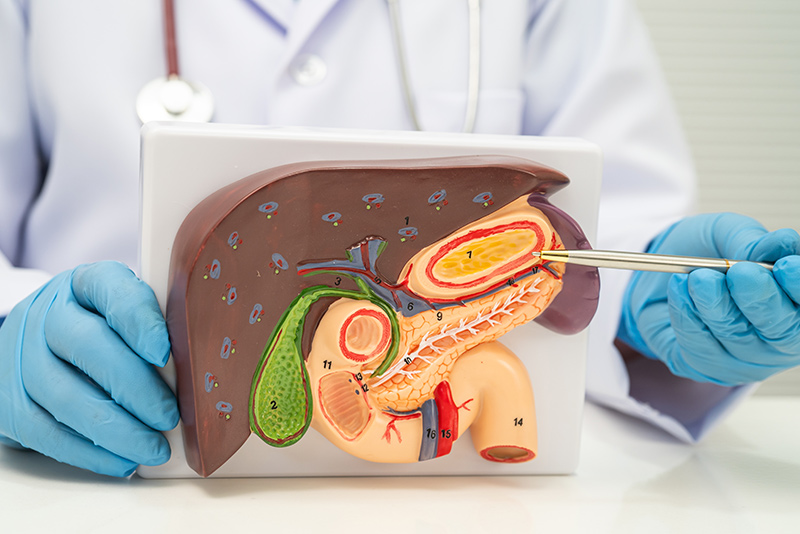
What Are the Most Common Gallbladder Problems and When Do They Need Treatment?
Experiencing upper abdominal pain, nausea, or discomfort after meals? Gallbladder problems such as gallstones and inflammation can sometimes go unnoticed until symptoms worsen. Learn the common warning signs, risk factors, and when treatment may be needed.
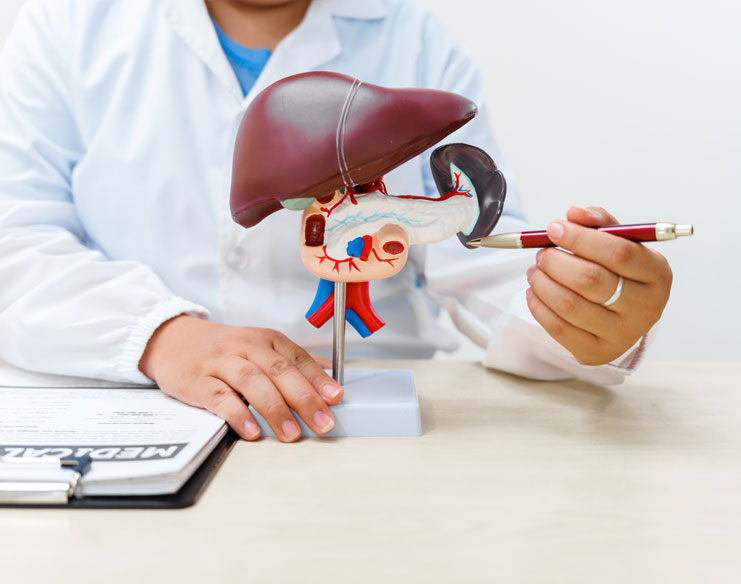
What Are the Common Liver Conditions and Their Symptoms?
Liver conditions are more common than many people realise and often develop quietly over time. In the early stages, there may be no clear symptoms, which is why many cases are only detected during routine blood tests or scans. While some liver conditions are mild and reversible, others can progress and affect long term liver function. Understanding the most common liver conditions helps you recognise potential risks early and decide when it may be appropriate to seek medical advice.
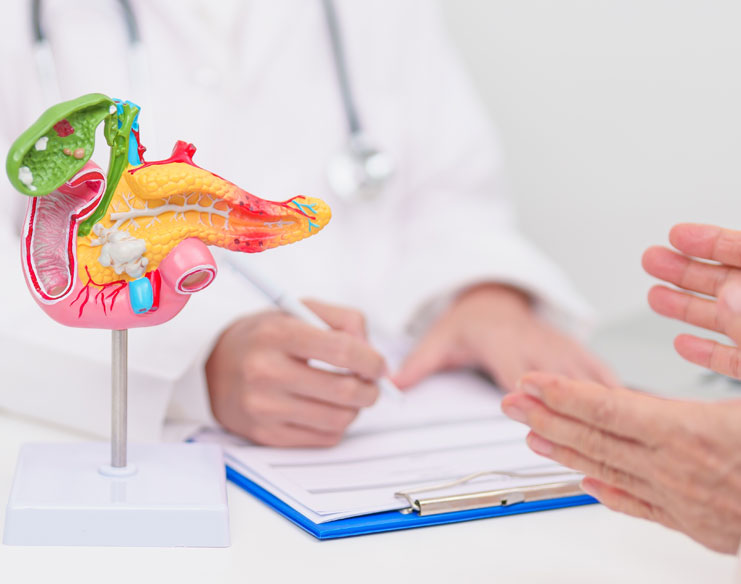
Laparoscopic vs Open Gallbladder Removal
Have you recently been told that you may need your gallbladder removed, and now find yourself wondering what the procedure actually involves? It is a common situation, especially if you have been dealing with persistent abdominal pain, gallstones or digestive discomfort. One of the first decisions you may encounter is the choice between laparoscopic and open gallbladder removal. Understanding how these approaches differ can help you feel more prepared and confident as you consider your next steps.

Alcohol and Liver Cancer Risk: When Does It Become Too Much?
The liver plays a central role in filtering toxins, processing nutrients and supporting digestion. When exposed to harmful substances over time, its ability to function properly may be affected. Alcohol is one of the most common lifestyle factors linked to liver damage, and long-term excessive intake has been associated with an increased risk of liver cancer.
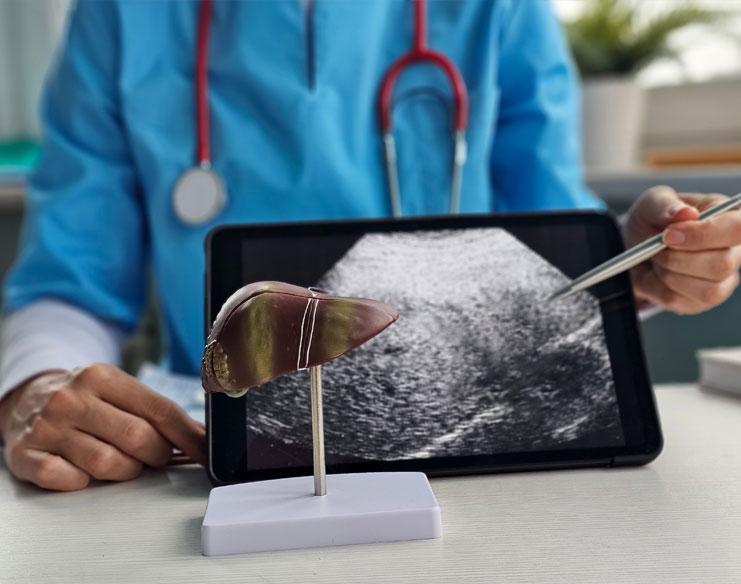
How to Choose a Liver Surgeon Best Suited for Me?
Choosing a liver surgeon is not something most people expect to do, yet it can quickly become an important decision when faced with a diagnosis or persistent symptoms. With different specialists offering varying levels of experience, techniques and areas of focus, it can feel difficult to know where to begin. Understanding what to look for in a liver surgeon can help you make a more informed choice, one that aligns with your condition, your preferences and your overall approach to care.
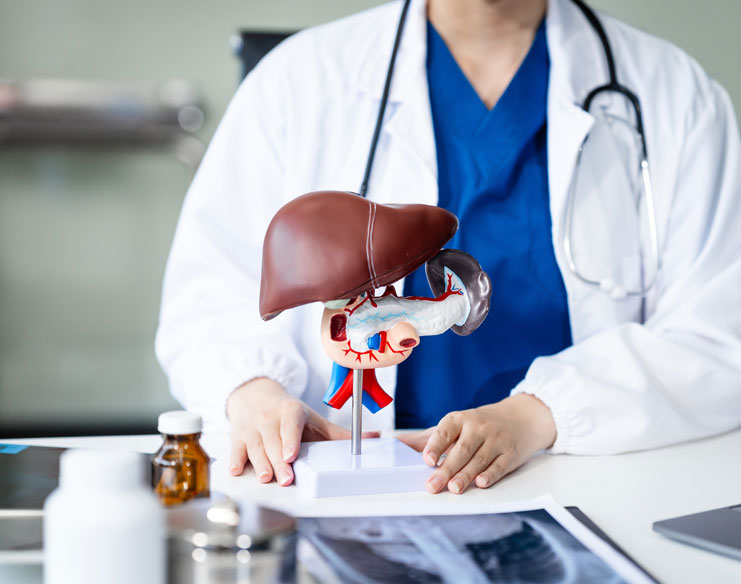
What to Expect During Liver Transplant Surgery
If you or a loved one has been told that a liver transplant may be necessary, it’s normal to feel uncertain about what comes next. Questions about the surgery, the recovery process and what...

What Are the Common Types of Pancreatic Surgery?
The pancreas may be a relatively small organ, but surgery involving it is anything but simple. Located deep within the abdomen and closely connected to major blood vessels and surrounding organs,

Managing Diabetes After Pancreatic Surgery
A significant outcome for many undergoing pancreatic surgery is the development of pancreatogenic diabetes, also known as Type 3c diabetes.
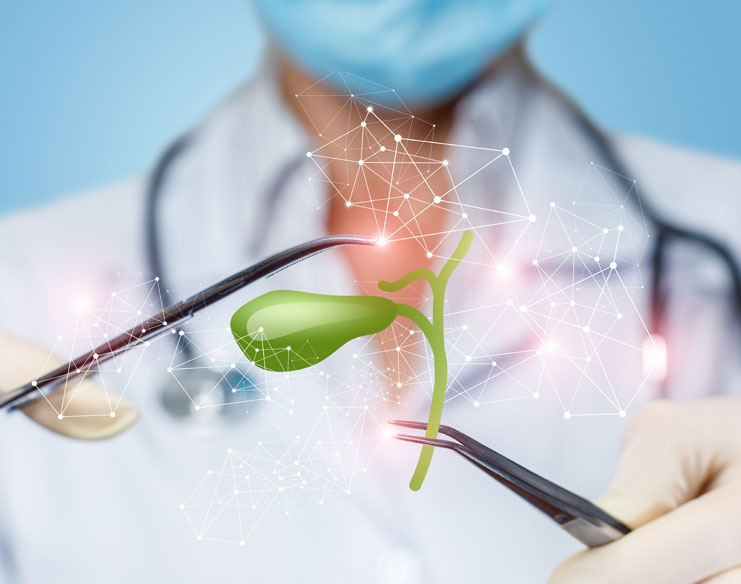
Can You Live Without a Gallbladder?
What happens to your body when an organ you were born with is suddenly gone? Do you really need it to live normally?
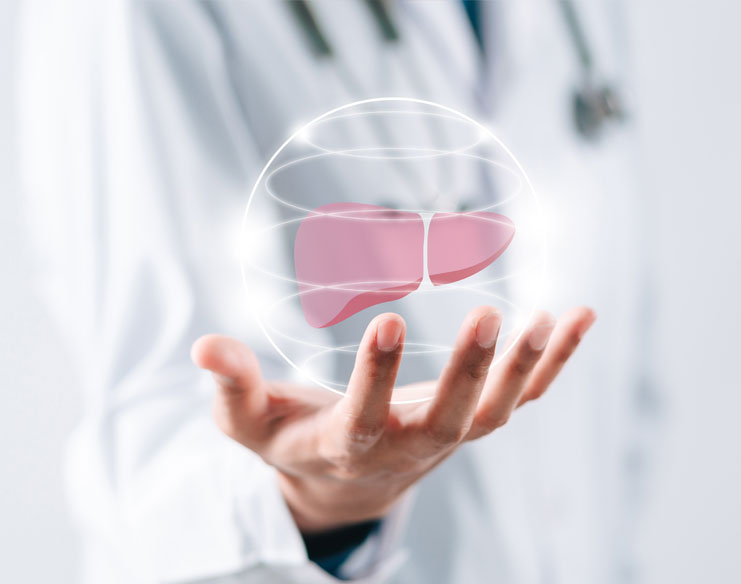
Five Tips for a Healthy Liver
The liver is one of the body’s most vital organs, responsible for processing nutrients, regulating metabolism, filtering toxins and producing bile to support digestion.
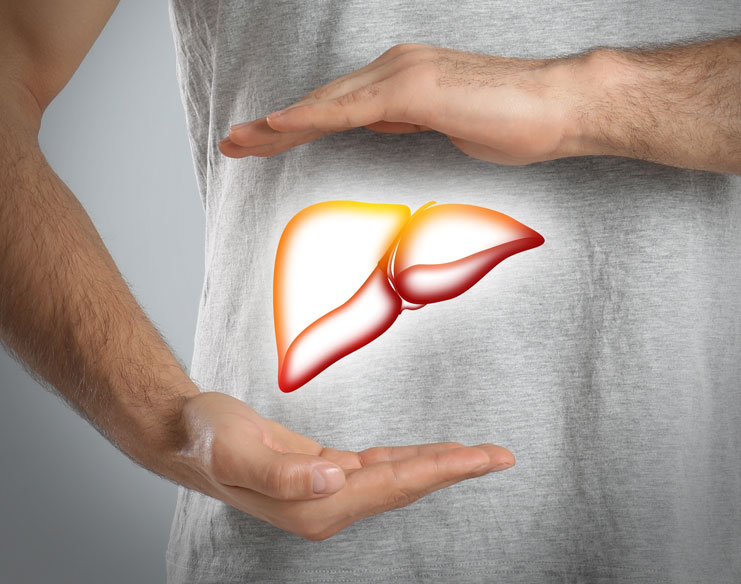
Liver Transplant Recovery: Tips for Post-surgery Care
Although many patients wish to return quickly to work and daily routines, the first few weeks after a liver transplant are a critical phase of recovery.
Living vs Deceased Donor Liver Transplants
Explore the key differences between living vs deceased liver transplant, including success rates, risks, recovery time and availability in Singapore.
How to Prepare for Gallbladder Surgery
Preparing for gallbladder surgery involves preoperative steps, lifestyle changes and recovery plans to ensure a safe procedure. Read more in this guide.
Life After Gallbladder Removal
Life after gallbladder removal involves adjustments, but most patients live well. Explore recovery, common side effects, and dietary recommendations.
Dietary Changes After a Whipple Procedure
Find out the essential food choices after Whipple surgery. Learn what to eat, what to avoid and when to seek help for digestive issues during recovery.
Your Guide to Minimally Invasive Whipple Surgery
Minimally invasive Whipple surgery removes cancerous tumours from the pancreas, bile ducts, or duodenum. Discover more in this guide.
The Hepatobiliary-Pancreatic System
is a Complex and Intricate One
is a Complex and Intricate One
Let Us Determine the Best Surgical Care Plan for You

Hepatobiliary & Pancreatic Surgery Centre
Mount Elizabeth Medical Centre, #17-12, 3 Mount Elizabeth Singapore 228510
Tel: (65) 6235 4088 | Fax: (65) 6235 3986
Opening Hours:
Monday – Friday: 9am - 5pm
Saturday: 9am - 1pm